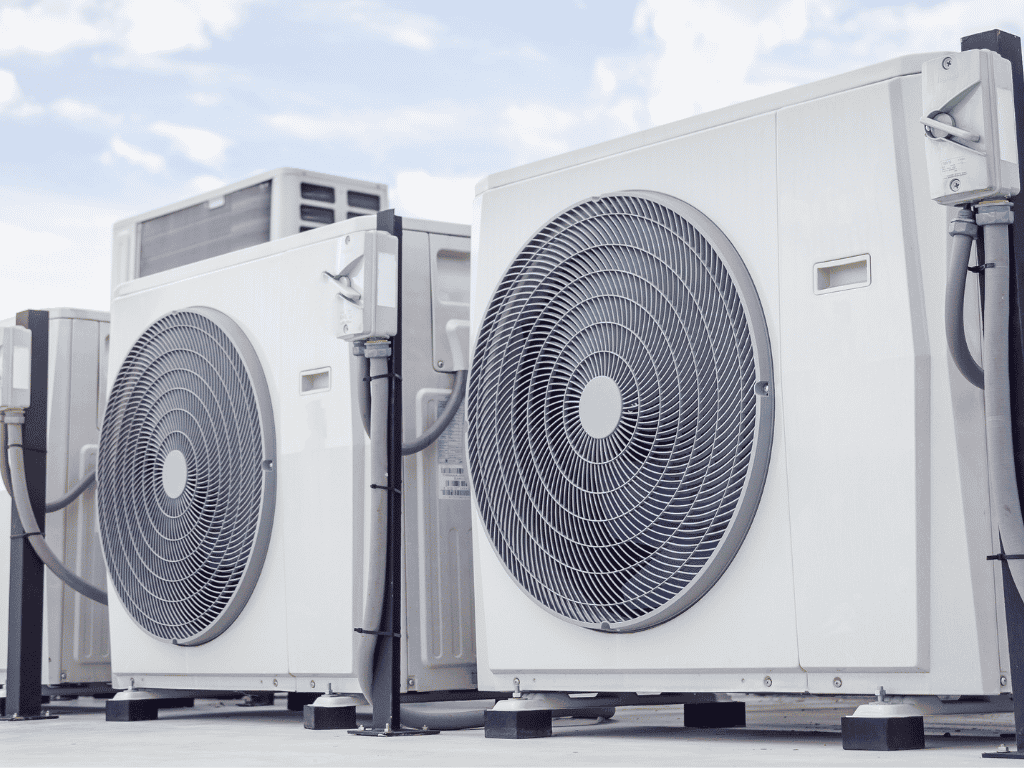
Outdoor air conditioning units are designed to withstand changing weather conditions, but their location can leave them exposed to other risks. Accidental impact, vandalism, tampering and unauthorised access can all result in damaged equipment, interrupted operation and unnecessary repair costs.
A well-designed cage for an air conditioning unit adds a physical layer of protection around the outdoor condenser while still allowing the system to operate and be serviced properly.
However, choosing an air conditioner cage involves more than finding an enclosure that physically fits around the unit. The cage needs to allow adequate clearance, suit the installation environment, provide practical access for technicians and be securely mounted.
Whether the cage is required for a school, commercial property, public facility or other site, considering these factors before ordering can help prevent installation problems later.
Outdoor condenser units often need to be installed in accessible areas such as beside buildings, near walkways, within service areas or around school grounds.
In these locations, equipment may be vulnerable to:
An air conditioner cage creates a barrier between the equipment and the surrounding environment while keeping the unit visible and accessible when required.
This can be particularly valuable in schools, commercial buildings and public spaces where outdoor equipment is located close to areas used by students, workers, contractors or members of the public.
Selecting the right cage starts with understanding the unit and the site.
Correct sizing is one of the most important considerations when choosing an air conditioner cage.
It is not enough to measure the condenser and order a cage with exactly the same dimensions. The enclosure needs to provide additional space around the unit for airflow, pipework, electrical connections and servicing.
Start by recording the full:
Include any components that extend beyond the main body of the condenser.
You should also identify where refrigerant pipes, electrical cables, drainage lines and other services enter or leave the system. These may influence the cage dimensions or where panels and openings need to be positioned.
For projects involving multiple units, each condenser should be checked rather than assuming they are identical.
Accurate measurements can help avoid a cage that is too small, obstructs existing services or needs substantial modification during installation.
Airflow is critical to the performance of an outdoor air conditioning condenser.
The unit needs to draw in and discharge air efficiently. Restricting this airflow can interfere with normal operation, which is why an enclosure should never simply be fitted as tightly as possible around the equipment.
When planning a cage for an air conditioning unit, check the clearance requirements specified by the air conditioner manufacturer. Different models may require different amounts of clear space around the sides, rear, front or top of the condenser.
The cage design, mesh and surrounding structures should also be considered.
Walls, fences, plants, stored materials and neighbouring equipment can all affect airflow around the condenser.
A properly selected cage should provide protection without compromising the ventilation requirements of the air conditioning system.
Where there is uncertainty, the HVAC installer or manufacturer’s installation documentation should be consulted before final cage dimensions are confirmed.
Material selection affects the strength, durability, appearance, corrosion resistance and type of protection an air conditioner cage can provide.
Two common options are steel and aluminium. Rather than assuming one material is always better than the other, it is important to consider the type of damage, tampering or vandalism the air conditioning unit is most likely to face.
Steel is a strong choice where protection against heavier physical impact is a priority.
Its robust construction can make it particularly suitable for locations where an outdoor unit may be exposed to significant accidental or deliberate impact, including areas accessible to vehicles or equipment. For example, where there is a risk of a condenser being struck by a car or other heavy object, a steel cage may provide a more appropriate level of protection.
Caged Up’s steel AC cages are fully hot-dip galvanised after fabrication to improve corrosion resistance and are available for ground/slab or wall-mounted applications.
Steel may be well suited to schools, commercial properties, government facilities, service areas and other locations where strength and resistance to heavier physical damage are important considerations.
Aluminium can be particularly effective where the main concern is people tampering with, interfering with or attempting to access the air conditioning unit.
Caged Up’s aluminium cages use a larger-diameter mesh compared with the steel cage mesh, making it more difficult for a person to get through or interfere with the equipment inside. This can make aluminium a particularly suitable option for locations where deliberate tampering or unauthorised access is the primary risk.
Caged Up manufactures its aluminium AC cages using marine-grade aluminium with marine stainless fittings, providing a corrosion-resistant option for outdoor installations.
There is no single answer because the most appropriate material depends on what the cage needs to protect against.
If the main risk is heavy physical damage or impact, such as a vehicle striking the enclosure, steel may be the more appropriate choice because of its strength.
If the main concern is people tampering with, interfering with or attempting to gain access to the air conditioning unit, aluminium may offer advantages because its increased mesh diameter makes the enclosure more difficult for a person to get through.
Environmental exposure should also be considered. For coastal environments or sites with specific corrosion concerns, aluminium’s corrosion resistance may be an important factor in the decision.
The best approach is therefore to assess the actual risks at the site rather than choosing a material based on strength or corrosion resistance alone.
Protecting an air conditioner should not make routine servicing unnecessarily difficult.
Outdoor condensers require inspection, cleaning, maintenance and occasional repairs throughout their operating life. Technicians may need access to panels, electrical connections, components and the area surrounding the equipment.
A cage that blocks these areas can increase the difficulty of maintenance.
Before ordering, consider:
Good cage design balances security with practical access.
Caged Up’s current steel and aluminium AC cage designs include removable top panels and lockable front and rear sections to support servicing and access while protecting the enclosed unit.
Thinking about maintenance at the design stage can make things much easier for facilities teams and contractors later.
Not every site faces the same level or type of risk.
A condenser installed in a secured commercial service yard may require a different cage from one positioned beside a school playground, car park or publicly accessible walkway.
Consider what the cage is primarily intended to prevent.
For example, is the main concern accidental impact, vehicle damage, casual interference, deliberate vandalism or unauthorised access?
The answer may influence factors such as:
The type of threat can also help determine whether steel or aluminium is more appropriate. A site exposed to the possibility of heavier impacts may benefit from the strength of steel, while a location where people tampering with or attempting to access the condenser is the primary concern may benefit from the aluminium cage’s harder-to-penetrate mesh configuration.
For sites where tampering is a concern, a lockable cage can provide an additional barrier around the equipment.
The aim is to choose a design appropriate to the actual environment and likely risks rather than specifying unnecessary features or selecting an enclosure that does not provide the right type of protection.
Standard cage sizes can be convenient when they suit the equipment and available installation space.
However, air conditioning units vary significantly in size, configuration and location. Existing pipes, walls, services and site restrictions may also prevent a standard enclosure from being used.
A custom cage may be more suitable when:
Caged Up supplies both standard-size and custom-built air conditioner cage options, with custom designs able to account for equipment dimensions, mounting arrangements and site conditions.
The important point is to choose the cage based on the installation rather than trying to make the installation fit an unsuitable cage.
A strong cage will only provide effective protection if it is installed securely.
Before choosing a cage, determine what it will be fixed to.
Common installations include:
The condition and suitability of the mounting surface should be checked before installation.
A cage attached poorly to an unsuitable surface may move, loosen or provide less protection than intended.
Site conditions also matter. Uneven ground, narrow access areas, pipework behind the condenser or nearby structures can affect how the cage is positioned and secured.
Caged Up offers cages suitable for ground or slab installation, as well as wall mounting configurations where required.
Taking photographs of the site and recording mounting details before ordering can help the manufacturer understand the installation requirements.
The condenser itself is only one part of the installation.
Look at what surrounds the unit before deciding on cage dimensions and positioning.
For example, consider whether there are:
The cage should not create a new obstruction or interfere with other building services.
Where several outdoor units are installed together, it may also be worth considering whether individual cages or a larger enclosure is more practical.
Site-specific planning is particularly important for commercial properties and schools where plant equipment often shares limited service areas with other infrastructure.
Schools, government facilities, commercial projects and larger construction sites may have their own specifications for protective enclosures.
These requirements can cover matters such as:
Project drawings and specifications should therefore be reviewed before the cage is ordered or manufactured.
Caged Up works with schools, councils, commercial sites, builders, contractors and facility managers, with cages available in standard and project-specific configurations.
Providing drawings, equipment dimensions and site information early can make it easier to identify an appropriate solution.
Installation should be considered before the cage arrives on site.
Confirm who will install the enclosure, how it will be transported to the condenser location and whether there are any access limitations.
For example, narrow pathways, stairs, gates or restricted service areas may affect whether a fully assembled cage can be moved into place.
Some cage designs can be supplied in configurations that make transport and assembly easier.
You should also ensure the installation does not damage refrigerant lines, electrical cabling, drainage or other services around the condenser.
Caged Up designs, manufactures and supplies cages, with installation also available on request.
Planning installation alongside cage selection helps reduce the chance of unexpected problems once the product reaches site.
Providing accurate information helps the cage manufacturer recommend or fabricate an enclosure suited to the project.
Before requesting a quote, prepare:
For custom work, measurements should be checked carefully before manufacturing begins.
The more information available at the beginning, the easier it is to design a cage around the actual equipment and site rather than making adjustments during installation.
There is no single cage design that suits every outdoor air conditioning installation.
A cage installed around a condenser at a school may need to address different risks from one installed at a commercial building, residential complex or restricted plant area.
The most suitable solution considers the whole installation, including the unit dimensions, ventilation requirements, material, access, security, mounting and surrounding environment.
Caged Up manufactures steel and aluminium air conditioner cages for schools, commercial properties, contractors and other projects, with standard and custom options available to suit different equipment dimensions and site conditions.
Choosing the right cage for an air conditioning unit is about finding the right balance between protection, ventilation, access and installation practicality.
Begin with accurate condenser measurements, then check the manufacturer’s required airflow clearances and identify the services surrounding the unit. From there, consider the specific type of protection required, how technicians will access the equipment and where the cage will be mounted.
When deciding between steel and aluminium, consider the risk the enclosure is intended to address. Steel can be particularly suitable where heavier physical impact, including potential vehicle damage, is a concern. Aluminium can be a strong option where tampering or unauthorised access by people is the greater risk, with its increased mesh diameter making it more difficult to get through.
Environmental conditions should also form part of the decision, particularly where corrosion exposure needs to be considered.
For straightforward installations, a standard-size cage may provide a practical solution. More complex sites may benefit from a custom enclosure designed around the condenser, the surrounding services and the specific risks present at the property.
Taking the time to assess these details before ordering can result in a cage that fits correctly, provides the right type of protection and allows the air conditioning system to remain accessible throughout its working life.
Caged Up supplies purpose-built steel and aluminium air conditioner cages for a range of school, commercial and project applications, with options available for different unit sizes, materials and mounting requirements.
© 2026 Caged Up | All Rights Reserved | ABN: 64 686 235 763 | Developed by